1. Awakenings (1990)
2. The Miracle Worker (1962)
3. The Matrix (1999)
4. The Black Stallion (1979)
5. Devdas (2002)
- for all that glitz and drama
6. Awaara (1951)
- I love Raj Kapur!
7. The Truman Show (1998)
- Jim Carrey at his best
8. Annie Hall (1977)
- Woody Allen's best
9. Dead Poets Society (1989)
10. Being John Malkovich (1999)
- Malkovich is an angry nut, but what a genius!
11. Adaptation (2002)
- Sorry, but I really love the combination of director Spike Jonze and screenwriter Charlie Kaufman! And Chris Cooper...Rrr...
12. Cabaret (1972), Chicago (2002), The Prime of Miss Jean Brodie (1969)
- They're all comparable in a way. They capture the swirling essence of the late 60s. End of an era. Chicago and Cabaret are similar in many ways, only Cabaret is more daring, haha. We're all so prim and proper these days. And oh, watch out for Maggie Smith in `The Prime...'
13. Kill Bill - Volumes 1 and 2
- Quentin at his more well-packaged best
14. Clueless (1995), Breakfast at Tiffany's (1961)
- for the romantic spirited
15. Proof (2005)
16. The Sound of Music (1965)
- Maria...makes me...laugh!
17. Frida (2002)
- Easily, my favourite painter
18. Planet of the Apes (1968)
- I love New York, so I hate to see the Statue of Liberty that way
I wish I could add a Katharine Hepburn movie to this list, because I love her so much. I think I will once I catch more of her movies, and I don't think `Guess Who's Coming to Dinner' is her best (because that's all I have seen of her). And believe me, I'll have more movies to add to this little list in the future!
And a word of advice - whenever anybody makes a remake of a movie, go watch the original. It almost always works, how can you possibly replicate an old good wine?!
Saturday, November 25, 2006

Friday, November 17, 2006
A different meal ticket
I had a strange dream last night, but I saw some light in it after I woke up. So here it is for you...
-
I dreamt that I had gone on an excursion with all my school friends to some place. And for lunch, each one of us were handed a meal ticket to be exchanged for food at a cafetaria. The tour guide handed out new tickets, and the meal that could be availed for each was a `set of 6' meaning 6 different dishes which would make up a whole meal.
-
As soon as the tour guide began to hand them out, everybody rushed to the front and in the end almost all the tickets were gone, all except for 2 old, different meal tickets. One was for pizza and another was for a snack. I picked the pizza one, but was disgruntled by what I got, because I hadn't got what the others got. I was afraid that my stomach would not be full after eating it, and felt that it was unfair that I had to get this one while everybody else got to eat a `set of 6'.
-
I went to argue with the tour guide and tried to obtain the same ticket as everybody else's. But she argued that the pizza would be nice and wholesome and delicious to eat, and didn't see what I had to complain about. In the end I was stuck with, you guessed it, the pizza one.
-
When I woke up, I had sudden clarity...god gives everybody a chance to eat, a chance in life to express themselves, to fulfill themselves and attain wisdom. While most people get a certain meal ticket, some get a different type of one, but they get one all the same. It is a person's intelligence to know how to make the best of this different meal ticket. Perhaps god had a slightly different plan in life for me, and I will learn to accept the meal ticket happily :-)
Sunday, November 12, 2006
The Artichoke Project
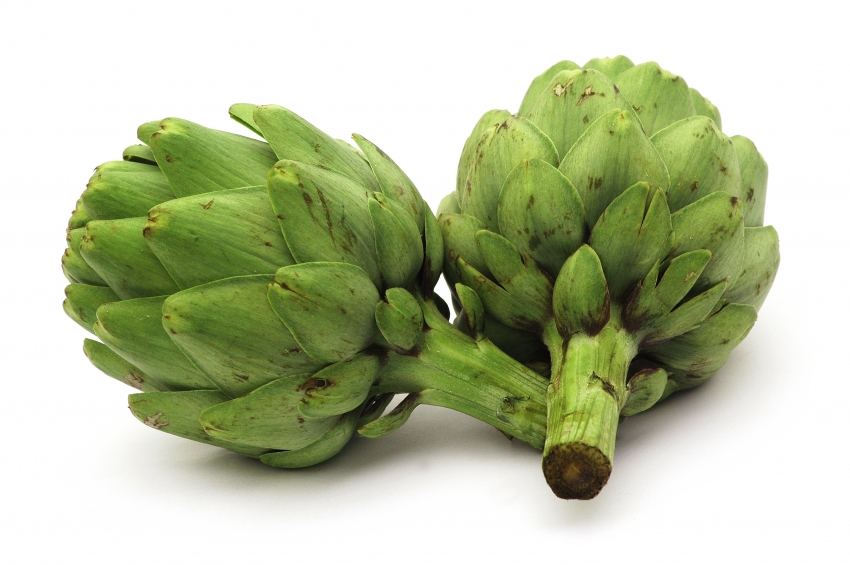 My father had brought 4 artichokes from his trip to Ooty, a hill station located in the Nilgiri hills bordering Tamilnadu and it's neighbouring state, Kerala. (Nilgiri literally translates to blue mountain).
 Now, I don't believe the artichoke is a native vegetable of India - probably brought in by the Brits along with carrots, potatoes, beans, and peas. And we rarely find artichokes in the Chennai vegetable markets. I've only seen artichokes in pictures and once tasted it in school when a girl had brought it for lunch.
My father suggested making artichoke soup. Should be fairly simple right? Just boil it for about 25-45 minutes with some salt, pepper and herbs, and it should be ready!
Well yes, cooking it is fairly simple (water boils on it's own), but preparing the artichokes for cooking is not easy. They are complex vegetables, just like some people. They have many layers, and a really fuzzy and often thorny inner layer. They've got thistles on their outermost petals. Quite the hardy vegetable, the artichoke.

-
-- artichoke flower
-
So this is what I set about doing. I did some research on the internet, and one website proved particularly useful in providing tips for preparing them: http://www.artichokes.org/basic_prep.html
-
And the recipe for the soup came partly from another website (minus the chicken broth though because my mom is vegetarian), and partly from my own head.
-
-
And the recipe for the soup came partly from another website (minus the chicken broth though because my mom is vegetarian), and partly from my own head.
-
1. I first prepared a bowl of water with squeezed lemon (vinegar is a good alternative) because artichokes oxidise very easily on contact with air. Once you start cutting them, they immediately start to go brown!
2. So I first cut the stalk down to one quarter near the base of the artichoke. And then cut off that too, peeled it's outer layer and dropped it into the water (the stalk is edible too).
3. Then I pulled out some of the hardy outer petals and disposed them.
4. I cut the top 1/3rd of the artichoke with a knife and trimmed the petals with a kitchen scissors (not completely necessary, but it makes for good presentation once it's cooked).
5. Then with the help of the knife, I cleaned out the inside fuzz and thorny petals of the artichoke. Then dropped the whole thing into the water.
6. I prepared 4 artichokes in this manner. Put water to boil along with some herbs (thyme and rosemary is what I used), salt and ground black pepper. Added the artichokes to the boiling water.
7. After they had boiled for nearly 40 minutes (water turns a nice green, clorophyll, very valuable, used this as stock for the soup), I prepared the soup base. Fresh cream (medium fat), with some milk, and a little more salt and ground pepper, and some corn starch (for thickening). Then added the artichokes and stock. Note: I stuck a fork into each artichoke to check if they were properly cooked - you know they are cooked when the fork goes in easily (artichokes turn really soft after boiling).
8. Let it boil for another 5-10 minutes. Artichoke soup is ready!
9. For the presentation - I put each artichoke into the centre of each soup bowl (they stayed whole, thank god, after all that boiling!) and poured the delicious creamy looking soup in.
My parents enjoyed it thoroughly, and so did I. The whole process had taken almost 2 hours, but the end result made up for all the effort. It was so fulfilling to ultimately consume the soup and see the satisfied looks on my parents' faces.
What a fantastic way to spend a Sunday afternoon!
p.s. Here's another useful website in case you want to sauté them - http://seattletimes.nwsource.com/news/food/links/artichokes/step1.html
Artichoke flower image courtesy:
Duke Gardens July 2004 / artichoke flower Matthew Wallenstein 7/7/2004 mdw7@duke.edu
2. So I first cut the stalk down to one quarter near the base of the artichoke. And then cut off that too, peeled it's outer layer and dropped it into the water (the stalk is edible too).
3. Then I pulled out some of the hardy outer petals and disposed them.
4. I cut the top 1/3rd of the artichoke with a knife and trimmed the petals with a kitchen scissors (not completely necessary, but it makes for good presentation once it's cooked).
5. Then with the help of the knife, I cleaned out the inside fuzz and thorny petals of the artichoke. Then dropped the whole thing into the water.
6. I prepared 4 artichokes in this manner. Put water to boil along with some herbs (thyme and rosemary is what I used), salt and ground black pepper. Added the artichokes to the boiling water.
7. After they had boiled for nearly 40 minutes (water turns a nice green, clorophyll, very valuable, used this as stock for the soup), I prepared the soup base. Fresh cream (medium fat), with some milk, and a little more salt and ground pepper, and some corn starch (for thickening). Then added the artichokes and stock. Note: I stuck a fork into each artichoke to check if they were properly cooked - you know they are cooked when the fork goes in easily (artichokes turn really soft after boiling).
8. Let it boil for another 5-10 minutes. Artichoke soup is ready!
9. For the presentation - I put each artichoke into the centre of each soup bowl (they stayed whole, thank god, after all that boiling!) and poured the delicious creamy looking soup in.
My parents enjoyed it thoroughly, and so did I. The whole process had taken almost 2 hours, but the end result made up for all the effort. It was so fulfilling to ultimately consume the soup and see the satisfied looks on my parents' faces.
What a fantastic way to spend a Sunday afternoon!
p.s. Here's another useful website in case you want to sauté them - http://seattletimes.nwsource.com/news/food/links/artichokes/step1.html
Artichoke flower image courtesy:
Duke Gardens July 2004 / artichoke flower Matthew Wallenstein 7/7/2004 mdw7@duke.edu
Friday, November 10, 2006
Lin Yutang, Paulo Coelho, and other `brilliant nuts' I greatly admire
For all my loyal readers...hehe..there will soon be an article on a book I'm reading at the moment, and with which I've fallen dearly in love with - `The Importance of Living' by Lin Yutang (quite the hearty fellow, and one with whom you can imagine having a delightful conversation over evening tea while watching the sun go down!).
There will be few comments, and a lot of `line-lifting', for I found it quite difficult to capture the essence of a book where the real delight lies in the reading (because it's like biting into incredible tiramisu, now how can one possibly replicate that feeling?!).
I also got the same feeling reading `Like a Flowing River by Paulo Coelho. And there will be a book review on that too. I couldn't possibly read his `Valkyries' book, and I luke-warmly enjoyed `The Devil and Miss Prym' and `Eleven'. But this one, his collective memoirs, was far more interesting.
When a book is good for toilet reading, you know it's easy to read, and you know it's something you really enjoy versus something you'd read just to show off at a conversation with elites. ;-)
There will be few comments, and a lot of `line-lifting', for I found it quite difficult to capture the essence of a book where the real delight lies in the reading (because it's like biting into incredible tiramisu, now how can one possibly replicate that feeling?!).
I also got the same feeling reading `Like a Flowing River by Paulo Coelho. And there will be a book review on that too. I couldn't possibly read his `Valkyries' book, and I luke-warmly enjoyed `The Devil and Miss Prym' and `Eleven'. But this one, his collective memoirs, was far more interesting.
When a book is good for toilet reading, you know it's easy to read, and you know it's something you really enjoy versus something you'd read just to show off at a conversation with elites. ;-)
Thursday, November 02, 2006
I love wrinkles
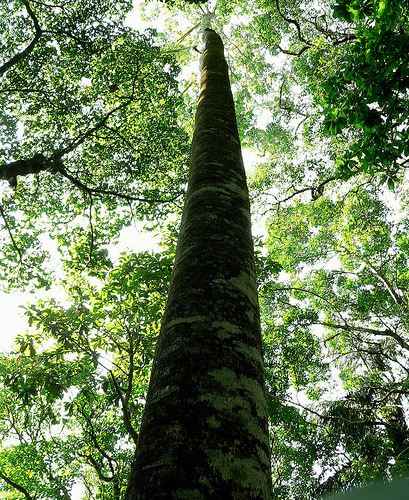 Have you ever noticed old trees? Run your hands on the hard bark? In the little ridges, where insects and beetles, birds of all sorts, have pecked and drilled and scurried their way through? Sweet tree gum oozing from various cracks, some branches withering away, leaves falling here and there, messing up the ground?
 So what did you do then? Did you think the tree un-beautiful? Isn't it anything but?
The ridges indicate its age, the holes and bores - the love which other creatures had for this beautifully still being, and those which took shelter in storms and harsh sunlight. Old leaves providing fodder for millions of little creatures who we would dismiss as boring and useless in our busy lives.
So why is it that when we can accept the appearance of a grand old tree, we become frighteningly paranoid when it comes to our own aging process?
That scar you got when you fell down as a kid, those wrinkles near the eyes from laughing or working too much, rough hands that handled heavy things - these are the things I love most in people, because every little spot, every little `blemish' tells a story. Words can only describe a person so much, but when you truly observe their appearance, you can tell so much more.
So look at your father, your mother, your lover once more. Look at their faces, and `see' them once again. Not as a face filled with spots and blemishes, but as one that has faced all of life's battles and yet has the courage to smile for you. Our wrinkles are like tree ridges - learn to love them as they are.
Image courtesy: http://www.thejackol.com/category/photography/
Lin Yutang, Paulo Coelho, and other `brilliant nuts' I greatly admire: the uncensored version
I was thinking of quoting some important lines from `The Importance of Living' by Lin Yutang - brilliant book, particularly from the first chapter - The Awakening. Lin Yutang mentions how the past and the present meet in a book, when the writer echos thoughts of past writers, and they communicate beyond the time-space continuum, and form a connection with the reader who begins to form his own thoughts and ideas about what he reads. I had mentioned in a previous post about how I began to form a book trail - from Yutang to Coelo, to Henry Miller, and so on never-endingly. Coelo has a beloved and highly optimistic attitude towards life, however I am beginning to find his ideas rather lofty, and too clouded in rainbows and butterflies for them to be truly graspable by an existentialist such as myself.
b
Osho for me is the wild fanatic, one with whom I can connect to more - he is both the most human of men, and most divine of gods I have ever come across. Now he lived completely, giving himself wholly to every moment. Taking a leaf from Osho's thoughts: Live your own life, read but do not be consumed, think but do not crystallise your ideas, be like the river, forever flowing, but do not think of reaching the ocean so soon. And so here is my lucid declaration to all believers:
b
I hereby denounce `the follower'. Like me, do you not wish to blaze your own path, a unique one, for only then I have lived at all?! I hereby denounce the follower, for all he can do is to tom-tom others' ideas, and never ever dare to make them his own, never tear them apart and customise them for his own benefit. Don't be afraid to be blasphemous, sacriligeous, and delight in other such wild phenomena. For you are human, accept your nature, and live!
b
Osho for me is the wild fanatic, one with whom I can connect to more - he is both the most human of men, and most divine of gods I have ever come across. Now he lived completely, giving himself wholly to every moment. Taking a leaf from Osho's thoughts: Live your own life, read but do not be consumed, think but do not crystallise your ideas, be like the river, forever flowing, but do not think of reaching the ocean so soon. And so here is my lucid declaration to all believers:
b
I hereby denounce `the follower'. Like me, do you not wish to blaze your own path, a unique one, for only then I have lived at all?! I hereby denounce the follower, for all he can do is to tom-tom others' ideas, and never ever dare to make them his own, never tear them apart and customise them for his own benefit. Don't be afraid to be blasphemous, sacriligeous, and delight in other such wild phenomena. For you are human, accept your nature, and live!
Water and Women
Women are like water - young and bubbling as a stream in youth, like the flowing river as a woman, and vast as the ocean when she is a wise old grandma.
A woman is not like air - she will not leave anything untouched and untraceable like air. She is not a hard rock either - for she will cry, and feel for things, and be vulnerable. But she is like water - she becomes attached, attaining the shape of the container in which she is poured, to the people who begin to matter in her life. At the same time, she carries within her the spirit of resilience, for she can just as easily adjust to a broken and shattered existence, probably far better than a man can.
Most women are water, too few are air or solid. But many men can be both - like air, they choose to live life on their own terms, and hate for their serene existence to be polluted by any external phenomena. Or like rock, they are impenetrable, and often stubborn, not changing their points of view.
For the man who is like air, I say - don't wait for something to touch you and move you, for you to start being `affected'. Learn to be more sensitive to others' feelings and thoughts. But do impart your realistic attitude and sense of detachment to those who need it at the right time!
For the man who is like rock, I say - continue to be strong, for your strength can give much courage to others. But also learn to be like water, because it is not a sin to be vulnerable. Vulnerability is the basis of human life.
For the women who are water, I say - learn from the above types of men, but embrace your beautiful sensitive qualities.
However, all things said, these are quite general statements, and anyone can be in a different state at different times or moments in their lives. But learn to be water, air, or rock, at the times when the right attitude is called for.
A woman is not like air - she will not leave anything untouched and untraceable like air. She is not a hard rock either - for she will cry, and feel for things, and be vulnerable. But she is like water - she becomes attached, attaining the shape of the container in which she is poured, to the people who begin to matter in her life. At the same time, she carries within her the spirit of resilience, for she can just as easily adjust to a broken and shattered existence, probably far better than a man can.
Most women are water, too few are air or solid. But many men can be both - like air, they choose to live life on their own terms, and hate for their serene existence to be polluted by any external phenomena. Or like rock, they are impenetrable, and often stubborn, not changing their points of view.
For the man who is like air, I say - don't wait for something to touch you and move you, for you to start being `affected'. Learn to be more sensitive to others' feelings and thoughts. But do impart your realistic attitude and sense of detachment to those who need it at the right time!
For the man who is like rock, I say - continue to be strong, for your strength can give much courage to others. But also learn to be like water, because it is not a sin to be vulnerable. Vulnerability is the basis of human life.
For the women who are water, I say - learn from the above types of men, but embrace your beautiful sensitive qualities.
However, all things said, these are quite general statements, and anyone can be in a different state at different times or moments in their lives. But learn to be water, air, or rock, at the times when the right attitude is called for.
Monday, October 30, 2006
When I loved:
Every wrinkle was pretty, every imperfection, perfect.
I wanted to make up long before the fight was started, and to kiss him, not long after it had ended.
I ached a thousand aches when he wasn't nearby, and smiled like a thousand suns when he appeared on the horizon.
Even after we'd broken up, I held his image in my heart forever.
I wanted to make up long before the fight was started, and to kiss him, not long after it had ended.
I ached a thousand aches when he wasn't nearby, and smiled like a thousand suns when he appeared on the horizon.
Even after we'd broken up, I held his image in my heart forever.
Homo sapiens
When God created Earth, and all the creatures in it, he gave some unique skill to every single living being. To the cheetah, he gave the gift of speed; to the elephant, he gave strength; to the dog, he gave the gift of smell; the cat, the gift of keen hearing, and so on...but to man, what did he give?
Most animals' young can walk right after they are born. But the human baby is one of the most vulnerable, and has to be taken special care until it is old enough to look after itself. Compared to our animal friends, we have probably the worst sense of smell, the worst sense of hearing, the worst sense of sight,...so what is this unique skill that makes us so `superior' to all other living beings?
It is the gift of conscient thinking.
We can act with the knowledge of what might possibly follow, we can choose to show kindness and mercy where we needn't, we can reflect on what went wrong and decide to live better, we can invent and destroy, we can even choose to take our own lives - a choice if exercised, would go completely against Darwin's theory of the survival of species.
Our unique gift has even caused us to ask the question - are we really children of this soil? Or did we come from another planet? But what about liquid H2O, magnets, sulphur, mushrooms - do they belong here too? Or are they too `alien'?!
It is this sense of doubt/curiousity to better understand the world around us and all naturally occurring phenomena, that has brought us this far. It holds the key to our future.
I am, and I wish to be, optimistic about our future. I hope that our intelligence, `conscient thinking', will help to solve the problems of world poverty, war and violence against our own kind, and destruction of nature. Join me in lighting the flame that will help to dispel all darkness in our beautiful planet.
Most animals' young can walk right after they are born. But the human baby is one of the most vulnerable, and has to be taken special care until it is old enough to look after itself. Compared to our animal friends, we have probably the worst sense of smell, the worst sense of hearing, the worst sense of sight,...so what is this unique skill that makes us so `superior' to all other living beings?
It is the gift of conscient thinking.
We can act with the knowledge of what might possibly follow, we can choose to show kindness and mercy where we needn't, we can reflect on what went wrong and decide to live better, we can invent and destroy, we can even choose to take our own lives - a choice if exercised, would go completely against Darwin's theory of the survival of species.
Our unique gift has even caused us to ask the question - are we really children of this soil? Or did we come from another planet? But what about liquid H2O, magnets, sulphur, mushrooms - do they belong here too? Or are they too `alien'?!
It is this sense of doubt/curiousity to better understand the world around us and all naturally occurring phenomena, that has brought us this far. It holds the key to our future.
I am, and I wish to be, optimistic about our future. I hope that our intelligence, `conscient thinking', will help to solve the problems of world poverty, war and violence against our own kind, and destruction of nature. Join me in lighting the flame that will help to dispel all darkness in our beautiful planet.
Friday, October 27, 2006
First steps
 My feet barely touched the ground
When I began to tremble
For what immense luck has dawned upon me
To give me this Divine Opportunity?
The tingling sensation began with my toes
And moved up my legs to the pelvis that supports my body.
Warm tears flowed down my cheeks
And wet the ground, as if preparing it for this very moment.
Ten years ago I was running
With the speed of light, in a blur.
Life moved likewise, with no time to slow down;
But today I'm reborn and I'm taking my first steps again.
I hold on to things beside me,
I feel aches and pains I've never felt before
In various parts of my body.
But somehow they coordinate;
They were trying to recall a lesson learnt many years ago.
I look clumsy, most akward.
No more the graceful eagle but an ugly eaglet,
About to fall off the precipice and forced to fly.
But I don't care,
This is the time,
And I am here.
I walk, and tis a miracle.
- Jaishree
Picture Courtesy: Vasundhara Shankari Sellamuthu (CR)
Tuesday, October 24, 2006
On relationships

A relationship you enter into for purely the `romance' (or sexual) aspect is bound to be fluffy for as long as both partners are happy with just the fluff. The moment either one thinks that there ought to be something `more', the relationship takes its next only available course. It's like a rollercoaster - thrilling while it lasts, but one can't be on it forever!
Here, we must mention intelligence. As conscient beings, we are blessed with the ability to shape the direction of our lives, applying our own learnt and intuitive wisdom in the process. So it is intelligence to let go of a partner who you know in your heart will never fulfil you, a relationship that may never make you happy. It is also intelligence to stay in a relationship that in your heart you know is now raw but has the potential to turn into a sweet fruit later.
Words of advice for the broken-hearted: some people come into our lives for a reason - they leave behind some wisdom, some joy, and more often than not, lots of pain! How to deal with this pain? `Everything happened for a reason'. Bless his/her soul, kiss them one last kiss and wave your last goodbye. If he/she was meant for you, they may come back, but it is best to move on with the river of life. Never hold a grudge, it is completely meaningless..
Anyway, there is no fixed formula. Simply follow your heart, different persons in your life may have taught you different things - each relationship will add a new colour to the rainbow of your soul. This, I promise.
God Bless!
Picture Courtesy: Vasundhara Shankari Sellamuthu (Copyright)
Sunday, October 22, 2006
On tending towards consciousness...
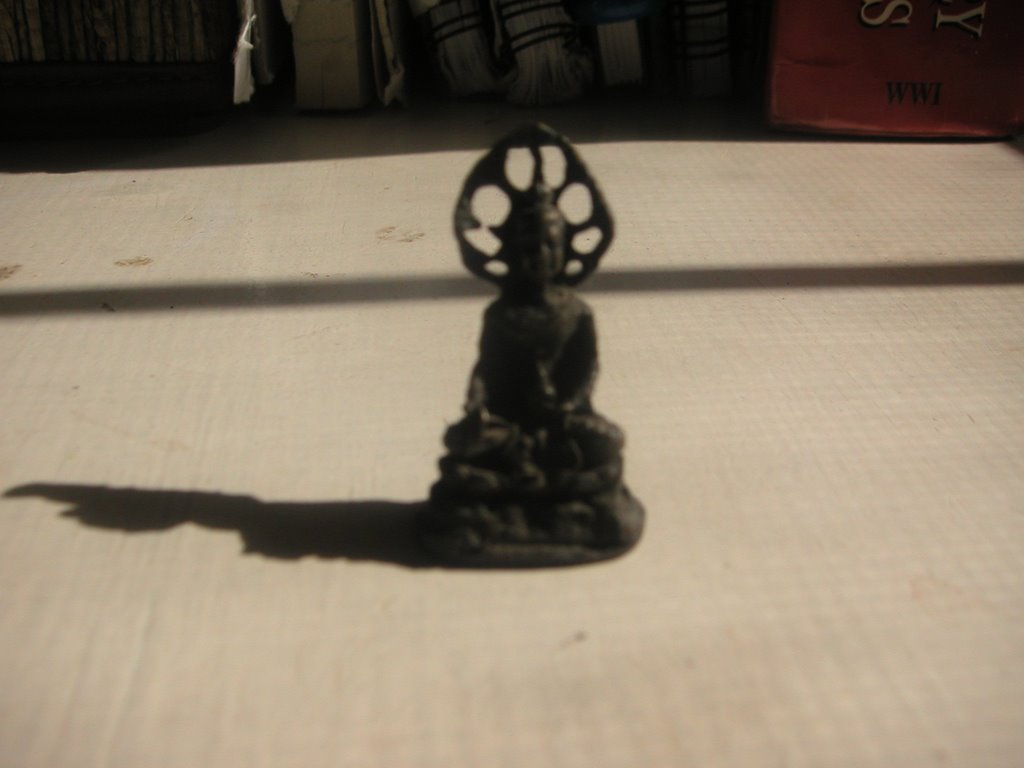 I believe there are 2 very different paths that human beings can take in their lives -
1) They may choose to tend towards light: become increasingly aware, so conscious of everything that they dissapear into pure nothingness or a `no-mind' state, the exact opposite!
Or
2) Spiral down into intense darkness and despair, a bottomless pit, a mind full of confusion.
Perhaps this is what our fore-fathers called `Heaven' and `Hell'? The different resulting states at the end of the path we consciously or unconsciously take?
Picture courtesy: Vasundhara Shankari Sellamuthu (Copyright)
Tribute to c.a.t.s
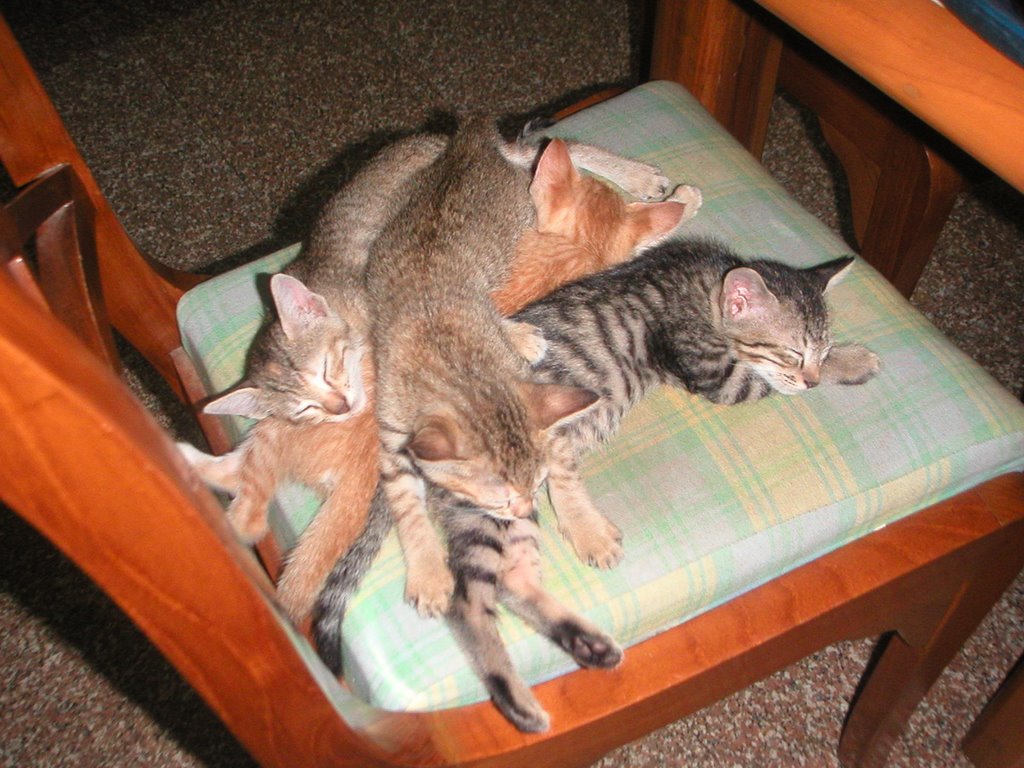
 If you've ever have had cats, or own one/some, you know one thing's for sure - they are completely retarded and beyond beyondness. Little buddhas, crazy omen kids, I mean whatever you wanna call them, you know you're gonna love `em no matter what. So, here's a few pictures of the beloved furry ones we have/had at home -
 -
-
"It's a hard life in the trenches bro.
The cover just about keeps our heads from getting blown."
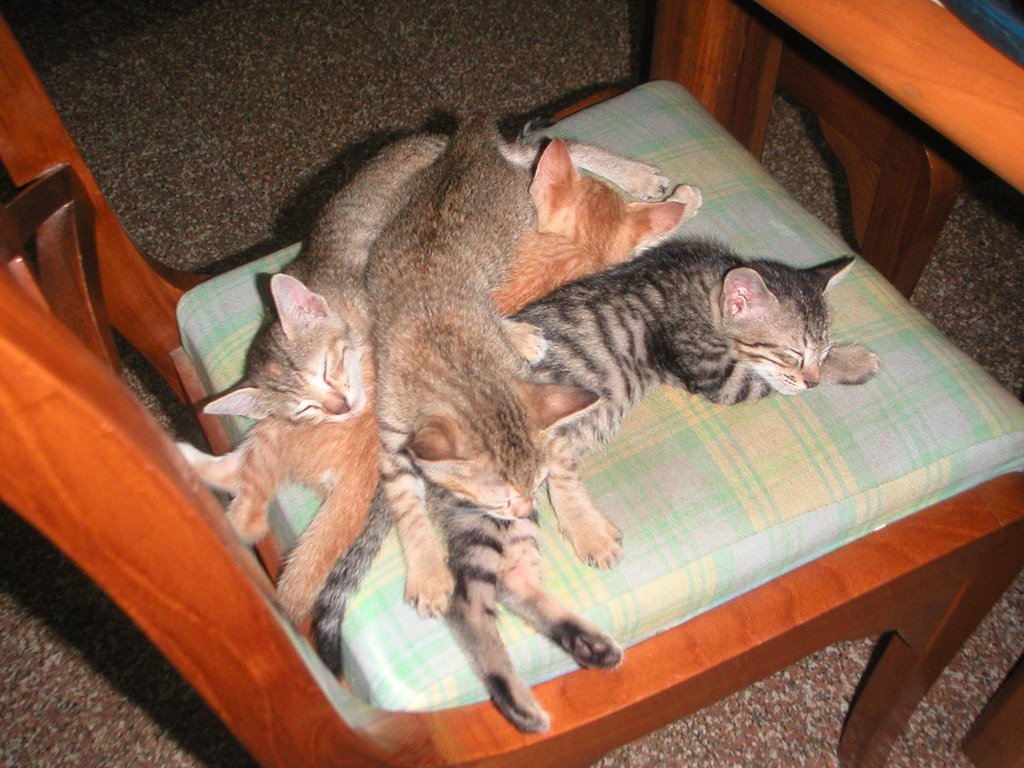
Coat of Arms

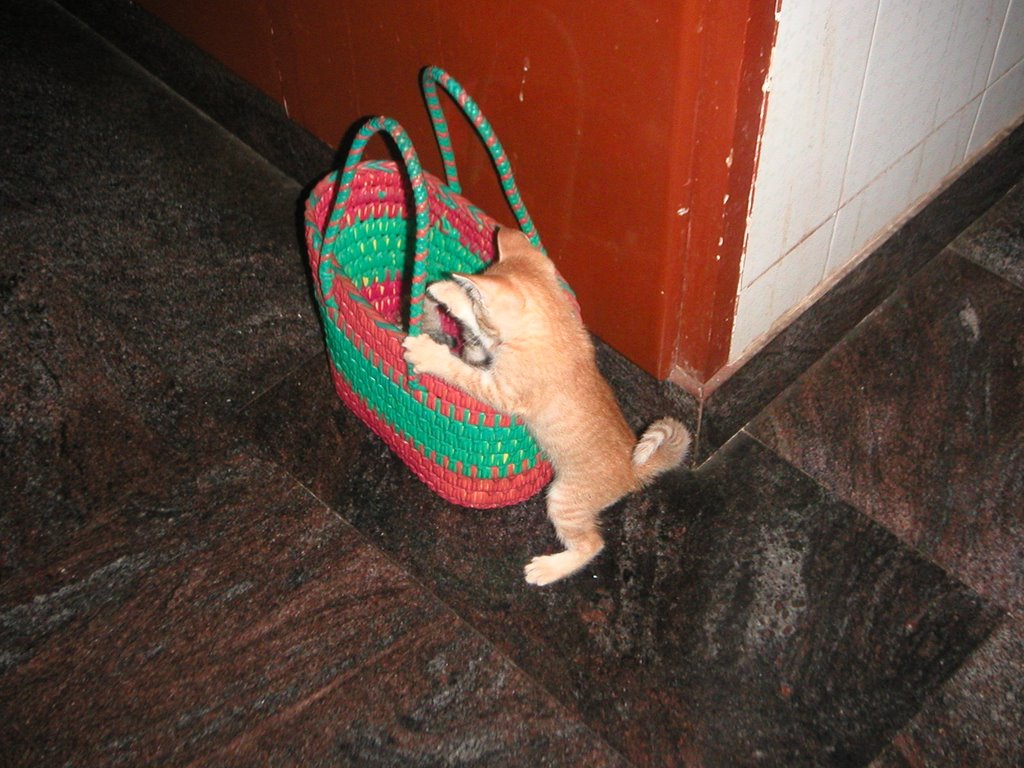 Zorba the Buddha
-
-
-
The Original Cliffhanger
Friday, October 20, 2006
Biznez Woman
- The business is a part of the environment in which it exists. It is like a person. Aren’t we part of the environment we live in? Similarly, it is a living, breathing entity, constantly relating to its customers, its employees, its suppliers, and the government officials in that environment.
- We decide how we want these relations to be. Do we want to be personal with them? Do we want to care for them? As caretakers of the business, we decide!
- I have decided that I’m going to keep it personal, but keeping in mind that the business ought to make money as well. It has to be profitable. And it has to care.
- I believe I’m a very creative person. And I want to apply this in my business as well. It has to be creative, dealing with creative people, and innovating creative solutions for the customers it serves.
- The business has to relate to the land in which it is located. It has to relate to live things – people, animals, plants, earth. We must not lose this connection. So associates should spend some time “growing things”, “relating to children and animals” and "painting/dancing/singing”, and “library time”. These activities are very important I believe. I want my business to be alive. If I can get my customers and suppliers to do this as well, it would be even better.
BE PROFITABLE, BE CARING, BE CREATIVE, BE ALIVE.
p.s. if you're reading this, I would love to know your thoughts...leave your comment!
- We decide how we want these relations to be. Do we want to be personal with them? Do we want to care for them? As caretakers of the business, we decide!
- I have decided that I’m going to keep it personal, but keeping in mind that the business ought to make money as well. It has to be profitable. And it has to care.
- I believe I’m a very creative person. And I want to apply this in my business as well. It has to be creative, dealing with creative people, and innovating creative solutions for the customers it serves.
- The business has to relate to the land in which it is located. It has to relate to live things – people, animals, plants, earth. We must not lose this connection. So associates should spend some time “growing things”, “relating to children and animals” and "painting/dancing/singing”, and “library time”. These activities are very important I believe. I want my business to be alive. If I can get my customers and suppliers to do this as well, it would be even better.
BE PROFITABLE, BE CARING, BE CREATIVE, BE ALIVE.
p.s. if you're reading this, I would love to know your thoughts...leave your comment!
Time for explanations
For the curious who don't understand Sanskrit...
-
The word `jyothishakti', the name of my blog, can be explained as follows:
`Jyothi' can be best translated as radiance/illumination/the light that holds the power to dispel darkness/ignorance.
`Shakti' means power/strength.
Together, they may be interpreted as the `power of light', or `light and strength'.
-
The quick ones may notice that jyothi is spelt with an `h', while shakti is spelt just with a `t' - although both are pronounced as `th' (as in `apathy'). I don't know, it just seems more right to me, because when you spell jyothi with a `t', you tend to say jyoti like gotti. You know what I mean...In books, commonly shakti is spelt with just the `t', and readers pronounce it as it ought to be (shakthi).
-
Now, I ask forgiveness from all readers who pay attention to grammatical correctness, and require more exhaustive explanations. After all, I do attempt to answer big questions such as the meaning of existence and what not! Such a huge task calls for more detailed explanations...which I haven't given. And many times my writing pleads for mentally filling in the blanks yourselves. The best way to describe my blog would be - random ramblings of one besotten with life and contemplations of everything contained in my world of perception.
-
But, thank you for viewing!! God Bless.
Thursday, October 19, 2006
Life on Earth
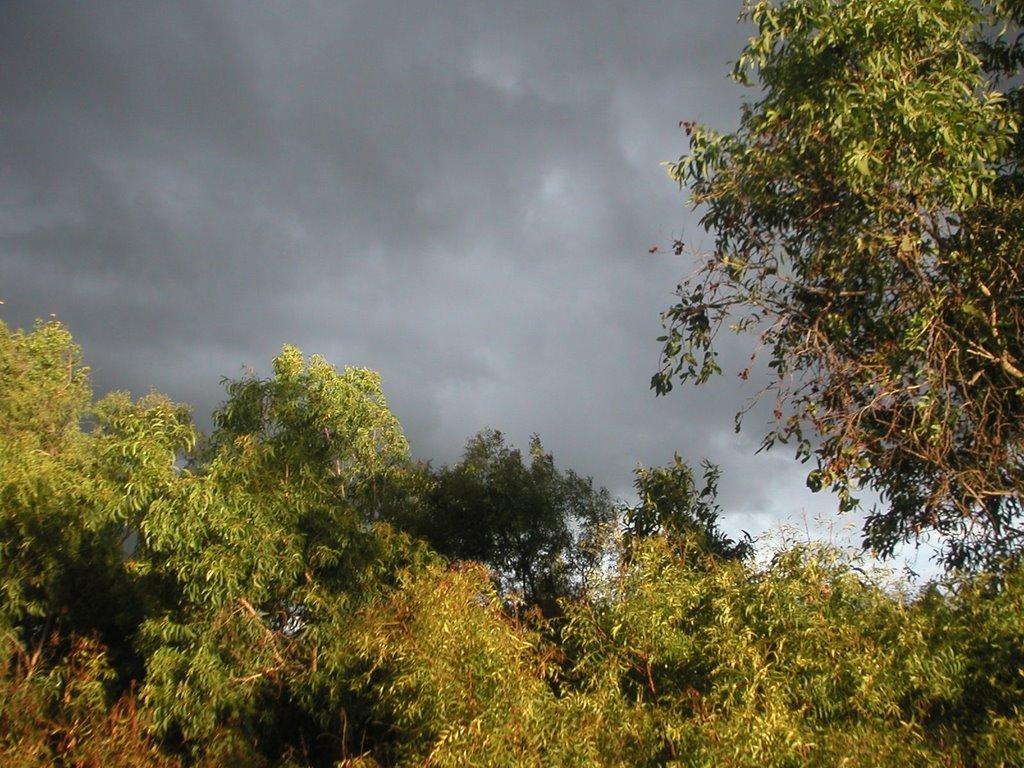
Assumption: Human beings are bestowed with free will. And so are all other creatures on the planet, although they may not exercise it quite as powerfully as we may be able to.
While we may do as we please, we must understand that we have the power to influence others, their lives and beliefs. Every choice we make has repercussions; they are like pebbles thrown into a pond. Hence, what we do, can and will affect others (their paths of existence). Our very existence on this planet is so profound because of this very power. (We are all in the same dance together, in the same “cosmic soup” as my mother playfully put it).
It is we who decide whether or not we want to plant more trees and save the earth from deforestation. It is also we who decide if we want to consume more and more of the earth’s resources, not giving enough time for growth and sustainability. It is we who decide what is important and what need not be given priority in our lives. The power resides in our hands. So whatever choice we make, it should be a conscious one. Thus, every being and creature is important.
Our time on earth is a very important one. So we should make it good. Make it good!
While we may do as we please, we must understand that we have the power to influence others, their lives and beliefs. Every choice we make has repercussions; they are like pebbles thrown into a pond. Hence, what we do, can and will affect others (their paths of existence). Our very existence on this planet is so profound because of this very power. (We are all in the same dance together, in the same “cosmic soup” as my mother playfully put it).
It is we who decide whether or not we want to plant more trees and save the earth from deforestation. It is also we who decide if we want to consume more and more of the earth’s resources, not giving enough time for growth and sustainability. It is we who decide what is important and what need not be given priority in our lives. The power resides in our hands. So whatever choice we make, it should be a conscious one. Thus, every being and creature is important.
Our time on earth is a very important one. So we should make it good. Make it good!
Picture Courtesy: Vasundhara Shankari Sellamuthu (Copyright)
My theory of unified consciousness
 Months, and months of mulling over the idea has yielded the following theory. It is based on an intuitive type of thinking, and readings I have done in the past on the subject. What is the universe, God and everything else? Why do we exist? Where do we go henceforth? These are the questions I have attempted to answer here.
 Assumption: everything in the universe is made up of particles of light (gazillions of it).
The light particles are in a state of disarray/imbalance, and this is the phenomenon we know as `existence’. Thus we have creation, destruction, evolution. All of existence `happens’ in an attempt to put all these light particles back into array.
We can hold hope that, eventually, when all these light particles merge back with the Divine (or unified) light, one cycle of existence is complete. Until all the particles attain this “consciousness” or “realisation” or “enlightenment” or “balance”, they will continue to live themselves out, that is, experience existence.
It is also possible to believe that there can be many such cycles. It is nothing but a cosmic drama, a play. In truth, there is no need, in the sense of utility, for beings to start their lives, go through intense confusion, and finally attain realisation. Yet it has been occurring for ages. Until all beings attain Divine consciousness, they will play in this game. And even if they attain it, that is all the pieces of the puzzle are put back together, the nature of all is that the cycles may begin yet again. It is all a grand dance – the dance of the Nataraj. It may also rest in the whim of God/Existence/Unified Consciousness...He decides eventually, perhaps. Or perhaps we just dissolve into pure nothingness.
Picture Courtesy: Vasundhara Shankari Sellamuthu (Copyright)
Subscribe to:
Posts (Atom)